Is Berlin Still Cheap? The Myth of Cheap Berlin in 2026

Updated: 6 days ago
Berlin still has a reputation for being the cheap capital of Europe.
People arrive expecting low rents, cheap beer, cheap food, warehouse clubs, artists in half-abandoned buildings and a city that somehow stayed outside normal Western European prices.
That Berlin did exist. But it is not the whole truth anymore.
The honest answer in 2026 is this: Berlin is no longer cheap in the old way, but it can still be excellent value for visitors.
It is not Prague-cheap. It is not the bargain-basement city many backpackers remember from 2008. It is also still not London, Paris, Amsterdam or Zurich.
The trick is knowing what changed, what still feels affordable, and where the best value in Berlin actually is.
Short Answer: Cheap Berlin Is Gone, Good-Value Berlin Is Not
If someone tells you Berlin is still cheap, ask what they mean.
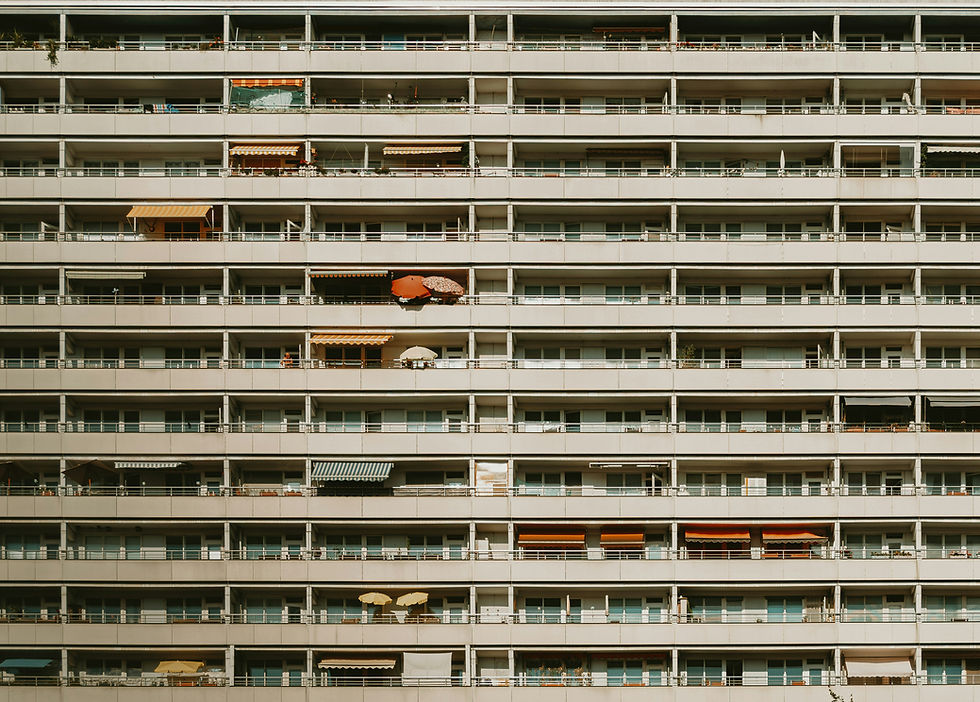
For residents, especially renters, the old cheap Berlin is gone. Housing pressure, higher demand, tourism, investment and population growth have changed the city sharply.
For visitors, the answer is more mixed. Hotels and short-term apartments can feel expensive, especially in summer and around events. Restaurants near major sights can be mediocre and overpriced. Some paid attractions now feel much closer to Western European capital prices.
But Berlin still has something many big cities have lost: the best parts of the city are often free, public, walkable and outside a ticket gate.
You can stand at the Brandenburg Gate, walk the East Side Gallery, cross Museum Island, visit memorials, wander through courtyards, explore street art, watch sunset at Tempelhofer Feld and understand huge pieces of European history without paying admission.
That is why Berlin is no longer a cheap city in the old mythic sense. It is a city where smart travelers can still get enormous value.
Why Berlin Used to Feel So Cheap
To understand the myth, you have to go back to reunification.
After the Wall fell in 1989, Berlin was not a glossy capital ready for investors and weekend tourists. It was a divided city trying to become one city again.
There was space. There were empty apartments, vacant lots, old factories and buildings with unclear futures. East Berlin had lost its state structure almost overnight. West Berlin had been an isolated island for decades and suddenly needed a new purpose.
The city also did not have the same money machine as other European capitals. It was politically important, culturally magnetic and historically loaded, but it was not rich in the way Munich, Hamburg, Frankfurt, London or Paris were rich.
That combination made Berlin feel unreal.
Rents were low. Bars were rough. Clubs could open in spaces that would now be luxury projects. Students, artists, musicians, activists and people who simply wanted a different kind of life could come here and survive with less money.
The famous phrase "arm aber sexy", poor but sexy, captured that period perfectly. Berlin was not polished, but that was the point.
Cheap real estate did not just make Berlin affordable. It shaped the culture. It allowed experiments, late nights, strange ideas, small galleries, political spaces and entire scenes that would not have survived in a more expensive city.
That is the Berlin many people still imagine when they hear the word cheap.
What Changed After 2010
Around 2010, Berlin's image started working against its old affordability.
The city became internationally desirable. More people moved here. More visitors came. Startups and tech workers arrived. Remote workers and students stayed longer. Investors noticed neighborhoods that had once been ignored.
Demand rose faster than the city could absorb.
This is not just a feeling. The Berlin Business Location Center notes that Berlin had around 3.9 million residents at the end of 2025, with population growth continuing and roughly 976,000 foreign residents from more than 190 nations. That is part of Berlin's strength, but it also adds pressure to housing and everyday infrastructure.
The official rent picture is complicated. Berlin's 2024 rent index listed a median net cold rent of EUR 7.21 per square metre, but that is a regulated rent-index figure, not a simple tourist guide to asking rents. It does not mean a newcomer can easily find a central apartment at that price.
That distinction matters. The official rental system, long-term contracts, new listings, furnished short-term rentals and tourist accommodation are different markets.
For a traveler, the takeaway is simpler: Berlin's cheap reputation comes from a housing era that no longer exists.
When a city becomes more desirable, the cheap spaces disappear first. The artist studio becomes an office. The rough bar street becomes a restaurant street. The empty lot becomes a construction site. The neighborhood that once felt unwanted becomes a brand.
That is what happened across parts of Mitte, Prenzlauer Berg, Friedrichshain, Kreuzberg and Neukolln.
The Resident Crisis Is Not the Same as Tourist Value
This is the part visitors should understand carefully.
Berlin can still feel affordable for a three-day trip and unaffordable for the person who cleans the hotel, serves the coffee or tries to find a flat nearby.
Those two things can be true at the same time.
For residents, the pressure is about rent, wages, displacement and the loss of familiar neighborhood life. You will see stickers saying "Kiez verteidigen", meaning defend the neighborhood, and graffiti against gentrification in many parts of the city.
That is not decoration. It is a real argument about who gets to live here.
For tourists, the question is different. You are usually comparing Berlin with other city breaks. How much does transport cost? Can you eat well without spending too much? Are there free sights? Do you need paid experiences every day? Is the city easy to explore without taxis?
On those questions, Berlin still performs well.
The mistake is using one answer for both worlds. Berlin is not cheap for many Berliners. Berlin can still be good value for visitors.
What Tourists Actually Pay in 2026
The biggest cost is accommodation, and that changes wildly by season.
Summer weekends, big trade fairs, concerts, sports events and holidays can push prices up quickly. Winter weekdays can be much easier. A basic room that feels reasonable in February can feel overpriced in July.
So I would not build your whole expectation around one hotel number. Think in categories instead:
Accommodation: the main variable. Book early if you care about price, and compare areas with transport time, not just nightly rate.
Transport: still one of Berlin's strongest value points.
Food: flexible. You can spend little with bakeries, doner, Asian noodles, lunch menus and casual local places, or you can spend much more in polished central restaurants.
Museums and attractions: mixed. Some are free, some are excellent value, some now feel expensive if you try to stack several in one day.
Walking: still free, still the best way to understand the centre.
For public transport, the current official numbers are clear. Berlin.de lists the AB single ticket at EUR 4, the AB 24-hour ticket at EUR 11.20, and the AB 24-hour small group ticket at EUR 35.30 for up to five people. BVG lists the same 24-hour ticket starting at EUR 11.20.
That is important because Berlin's transport network covers U-Bahn, S-Bahn, trams, buses and some ferries under the same system. If you choose tickets well, you can move around the city cheaply without relying on taxis.
Also remember the accommodation tax. visitBerlin explains that Berlin's City Tax is 7.5 percent on paid overnight stays, with breakfast and other hotel amenities treated separately. Some booking platforms show it clearly, some make it feel like a surprise at the end.
For a simple planning rule, I would think like this:
Lean sightseeing day, excluding accommodation: roughly EUR 35 to EUR 55 if you use public transport, eat casually and focus on free sights.
Comfortable sightseeing day, excluding accommodation: roughly EUR 65 to EUR 110 if you add cafes, a paid museum, drinks or a nicer dinner.
Accommodation: the swing factor. It can double the daily total.
These are planning ranges, not promises. A concert weekend, last-minute hotel search or tourist-trap dinner can change the number fast.
Where Berlin Still Feels Cheap
Berlin's best value is not hidden in one cheap restaurant or one discount card.
It is in the structure of the city.
Many of Berlin's most meaningful experiences are public spaces, memorial landscapes, streets, bridges, courtyards and routes you can walk.
The strongest examples are:
Brandenburg Gate: free, central and still the symbolic heart of reunified Berlin.
The Holocaust Memorial: free, powerful and open to walk through at any time.
East Side Gallery: a long open-air Wall memorial and street-art landmark.
Tempelhofer Feld: a former airport turned into a huge public park.
Museum Island from the outside: even without tickets, the architecture and river views are worth time.
Hackescher Markt and the courtyards: great for wandering, photos and people-watching.
Street art and Kiez streets: especially in Kreuzberg, Friedrichshain and Neukolln.
I keep a separate guide to free things to do in Berlin, because this is where Berlin still beats many cities.
In some capitals, the free version of the city feels like the preview. In Berlin, the free version is often the main story.
Where Berlin No Longer Feels Cheap
There are also places where the old cheap-city image will mislead you.
The most obvious one is accommodation. Central hotels, good hostels, serviced apartments and short-stay rentals are no longer a budget secret.
The second is central food. Berlin still has plenty of good casual food, but major squares and tourist strips are full of average places charging above-average prices. If the menu looks like it was written for nobody local, keep walking.
The third is attraction stacking. One paid museum, viewpoint or boat tour can be worth it. Three in a row can turn a cheap day into an expensive one.
The fourth is nightlife. Berlin can still be cheaper than some club capitals, but drinks, late transport, taxis and entry fees add up. The old idea of a whole night out for almost nothing is mostly memory.
Finally, do not assume every discount product is automatically worth it. The Berlin WelcomeCard can be useful if you use public transport daily and visit enough paid attractions, but it is not magic. If your trip is mostly walking, free sights and one museum, a normal ticket may be better.
How to Keep a Berlin Trip Good Value
The best Berlin budget strategy is not extreme cheapness. It is avoiding waste.
Start with public transport. My Berlin public transport guide explains zones, tickets and common tourist mistakes. Most central sightseeing is in zone AB. BER Airport and Potsdam require ABC.
Plan one paid anchor per day instead of trying to buy the whole city. A museum, viewpoint, palace or boat tour is easier to enjoy when the rest of the day is walking, food and free sights.
Eat one casual meal daily. Berlin is very good at inexpensive food that does not feel like punishment: doner, falafel, Vietnamese food, bakery breakfasts, currywurst, lunch menus and Spati snacks all have their place.
Carry some cash, but not too much. Card payment has improved a lot, but Berlin is still not fully cashless. My credit cards in Berlin guide explains where cash still helps.
Tip like a local, not like a nervous visitor. Berlin tipping is usually modest and voluntary. My tipping guide explains the normal ranges.
Most of all, walk intelligently. Berlin rewards people who move through the city slowly enough to notice what is around them.
That is where the value is.
The Honest Answer: Is Berlin Still Cheap?
No, not in the old sense.
The version of Berlin where low rent created endless cheap spaces is mostly gone. The city is more expensive, more international, more polished in places and more pressured than the Berlin that built the old reputation.
But yes, Berlin can still be one of the best-value major city breaks in Western Europe.
Not because everything is cheap.
Because many of the things that matter most are still accessible.
History is in the street. The Wall is in fragments, memorials, scars and routes. The old East and West still show themselves in architecture, signals, public spaces and habits. The city gives you a lot before asking for money.
If you treat Berlin like a checklist of paid attractions, it will not feel cheap. If you treat it like a city to walk, read, taste and understand, it can feel generous.
That is the better expectation to bring in 2026.
See Berlin's Best Value Experience on Foot
The best way to understand Berlin is still walking through it with context.
On my free, tip-based walking tour, you start at Alexanderplatz, move through the historic centre, follow the route toward Museum Island and Hackescher Markt, and connect the big landmarks with the small details most visitors miss.
It lasts about 2 hours. There is no fixed ticket price. You book a free spot, join the walk, and tip what the experience is worth to you at the end.
That model fits Berlin well. The city is not about paying to enter every story. It is about learning how to read the city that is already in front of you.
If you want the highest-value first experience in Berlin, book your free walking tour spot here. I will show you where the old cheap Berlin disappeared, where real value still survives, and why the city is still worth your time.