Berlin Plug Adapter: Sockets, Voltage and Charging Tips for Tourists
- Yusuf Ucuz

- Jun 30
- 5 min read
Updated: Jul 14
The Berlin plug adapter question is small until it is midnight, your phone is at 6%, and the charger you trusted will not fit the wall. The good news: Berlin is simple once you separate three things that travelers often mix together: plug shape, voltage and USB charging.
Germany uses Type F sockets, often called Schuko sockets, with 230V power at 50Hz. That means many modern phone, laptop, camera and USB-C chargers only need the right physical adapter. Hair tools and older single-voltage devices are the ones that deserve more caution.
Berlin plug adapter: the 30-second answer
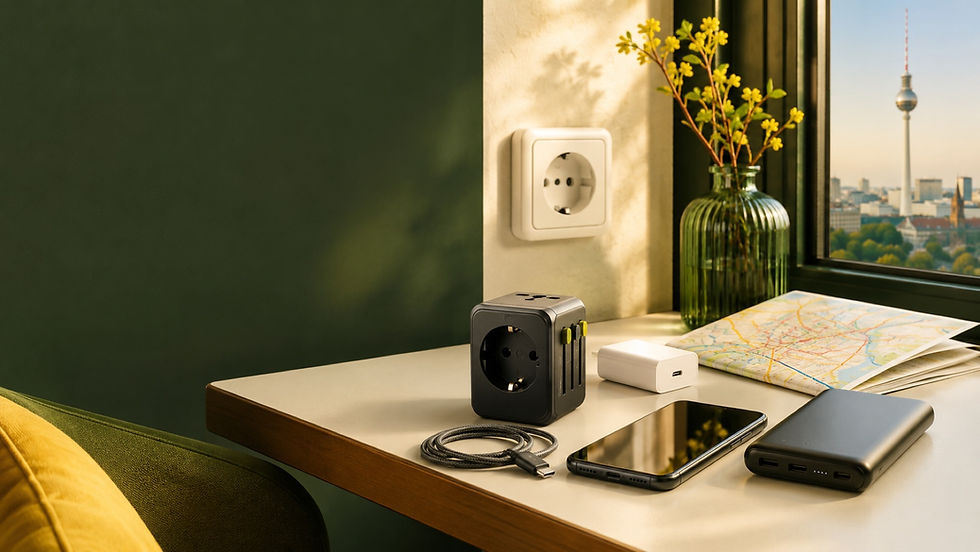
Caption: Start with plug shape, then check the charger label. Most Berlin charging problems are easier than they look.
If you are coming from the United States, Canada, Japan, the UK, Ireland, Australia, New Zealand or China, pack a Type F / Europe plug adapter for Berlin. If your charger already has a slim two-pin Europlug or a German-style Schuko plug, it will usually fit.
Then check the label on the charger. If it says `Input: 100-240V, 50/60Hz`, the device is normally built for both North American and European voltage. In that case, a travel adapter changes the plug shape and Berlin's 230V power is not the problem.
If the label says only `110V`, `120V`, or anything that does not include 220-240V, do not plug it into a Berlin wall socket with a simple adapter. That is when you are in voltage converter territory, and for high-heat devices the safer travel answer is usually to leave it home or buy/borrow locally.
What Berlin sockets look like
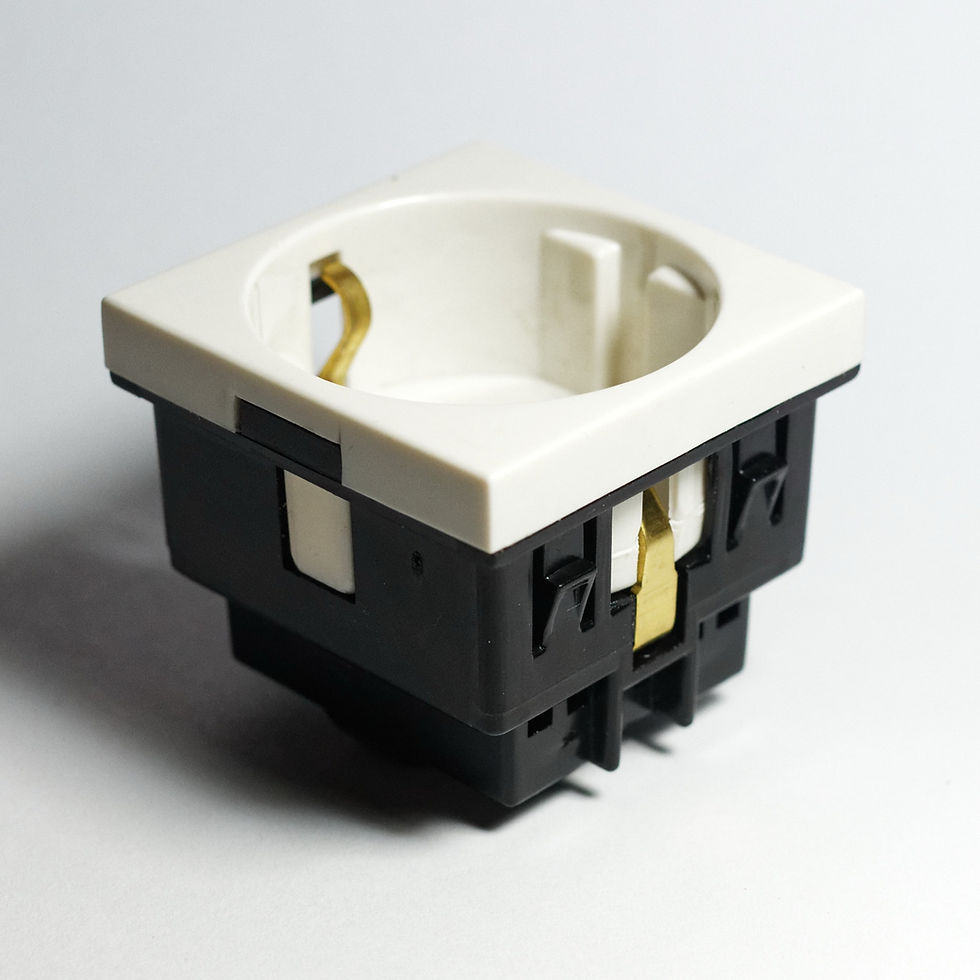
Caption: Berlin uses Type F Schuko sockets: two round holes plus side grounding contacts.
Berlin uses the same standard socket setup as the rest of Germany: Type F, commonly known as Schuko. It has two round holes and side grounding contacts. The Type C Europlug, the slim two-pin plug used by many small European chargers, also fits many German sockets.
The practical tourist rule is this: round European pins are usually fine; flat American pins, chunky UK pins and angled Australian pins need an adapter. If you are visiting several European countries, pack a compact universal adapter that clearly supports Type F / Europe rather than a mystery cube with vague marketing.
For the technical baseline, the travel-adapter reference at Power Plugs and Sockets lists Germany as Type F with 230V and 50Hz, while WorldStandards explains the Type F / Schuko plug family.
Adapter versus voltage converter
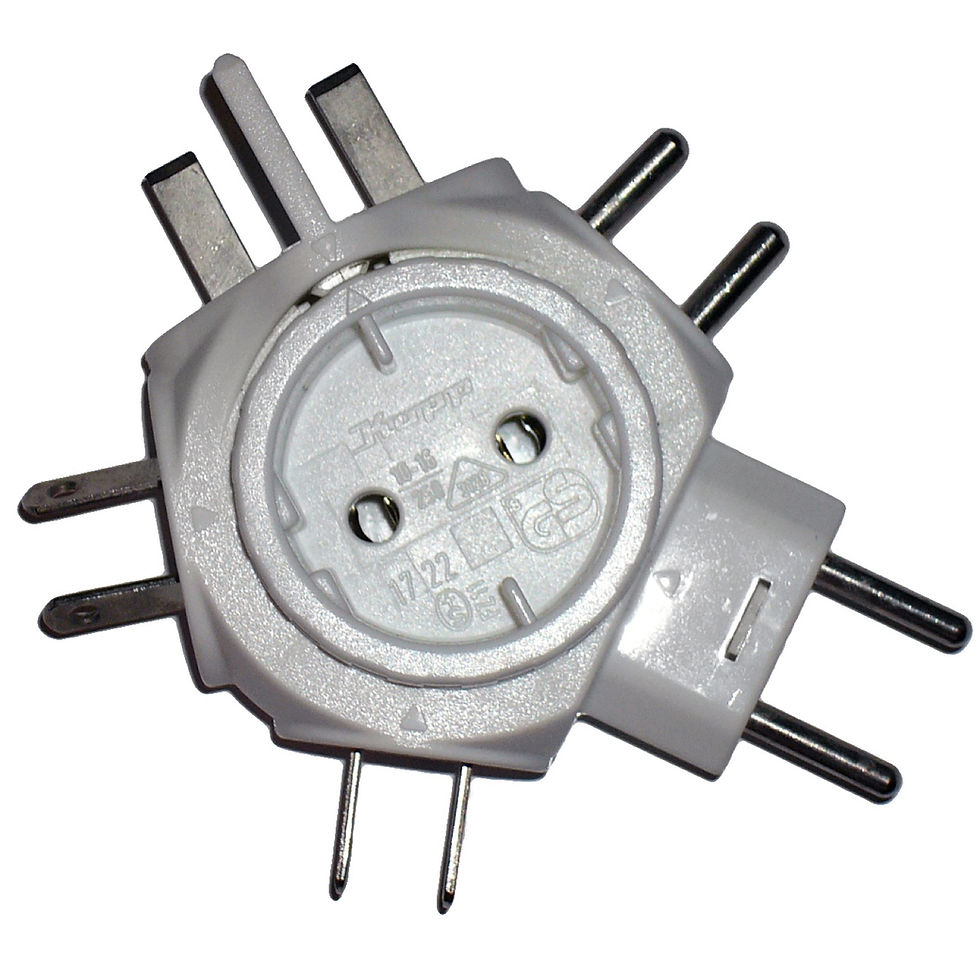
Caption: A travel adapter changes the plug shape. It does not turn a 120V-only device into a 230V-safe device.
A Berlin plug adapter changes the shape of the plug. It does not make American voltage into European voltage.
That distinction matters most for high-heat devices: hair dryers, curling irons, straighteners, electric shavers with old chargers, steamers and anything that says 110V or 120V only. These are the devices most likely to disappoint you in a hotel room.
For phones, laptops, tablets, cameras and most modern USB chargers, the answer is usually less dramatic. Read the tiny print on the power brick. If it accepts 100-240V, you normally need the adapter, not a voltage converter.
Use the Berlin Plug Adapter Checker
Use this quick checker before packing or before buying something at the airport. It will tell you whether your situation is an adapter-only problem, a voltage-label problem, or a power-bank packing problem.
Phones, laptops and USB-C chargers
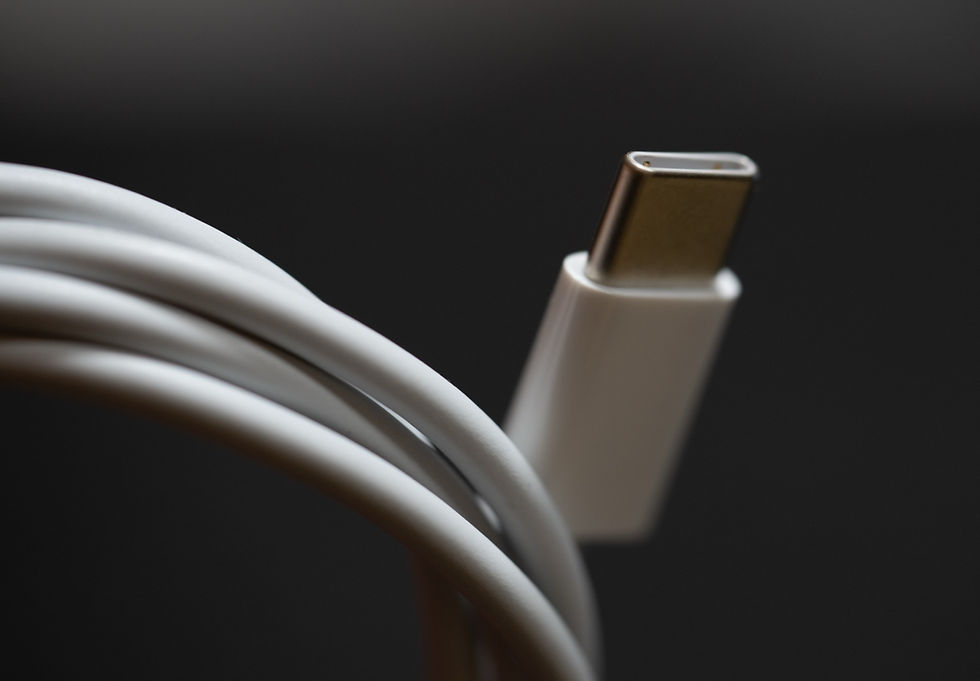
Caption: USB-C helps, but the wall charger or adapter still has to work with Berlin sockets.
Most modern phone and laptop chargers are designed for travel. The wall plug may be wrong for Berlin, but the brick often accepts 100-240V. That is why a small Type F adapter is usually enough for your phone, laptop, camera battery charger or e-reader.
USB-C makes the day easier, but it does not remove the wall-socket question. A USB-C cable still needs either a Berlin-compatible wall charger, a travel adapter for your existing charger, or a power bank. If you forget everything, buying a basic USB-C wall charger in Berlin is usually simpler than hunting for a voltage converter.
I would not pack three heavy adapters for one trip. Pack one reliable adapter in your hand luggage, one backup if you work from your laptop, and use a multi-port USB charger if you are charging several devices overnight.
Power banks and flight days
Power banks are useful in Berlin, especially if you are navigating with maps, taking photos and using public transport apps all day. The airport rule is the part people forget: lithium power banks belong in carry-on bags, not checked luggage.
The TSA power bank guidance is a useful plain-English reference for travelers flying through or from the United States: portable chargers with lithium-ion batteries must go in carry-on bags, and spare lithium batteries are not allowed in checked luggage. Always check your airline's size limits too, especially for larger power banks.
For Berlin itself, a medium power bank is enough for a normal sightseeing day. If your phone battery is old, carry the power bank and a short cable instead of trusting every cafe, museum or station to have a spare socket near your seat.
Where to buy a plug adapter in Berlin

Caption: Big stations are better fallback points than random late-night shops if you forgot an adapter.
If you forgot your Berlin plug adapter, try the airport first if you notice before leaving BER. Inside the city, big stations such as Berlin Hauptbahnhof and Alexanderplatz are more promising than random small shops, especially on arrival day.
Electronics stores are the most reliable option for a proper adapter or USB-C wall charger. Larger drugstores and travel sections can also help, but stock varies. Hotel reception is worth asking too; many desks have a small box of adapters left behind by previous guests.
Do not make the Spati your only plan. A late-night corner shop might save you with a cable, but I would not count on it for the exact adapter you need. If your first Berlin morning includes a walking tour, a museum slot or a train, solve charging the night before.
For arrival logistics beyond charging, the Berlin Hauptbahnhof guide and BER Airport departure guide help with the same kind of practical first-day decisions.
What not to pack
Do not pack a big voltage converter unless you have a specific device that truly needs one and the manufacturer says it is safe. Cheap converters plus high-heat devices are a bad travel gamble.
Do not pack a power strip from home and assume it solves the problem. You still need the correct plug shape, voltage compatibility and enough caution not to overload a hotel-room setup.
Do not assume a travel adapter is a transformer. The adapter lets the plug enter the wall. It does not automatically protect a 120V-only device from Berlin's 230V supply.
My simple packing rule
For a normal Berlin trip, I would pack:
One reliable Type F / Europe adapter.
One dual-voltage USB-C wall charger.
One short USB-C cable and one backup cable for your phone.
One medium power bank in hand luggage if you use maps heavily.
No high-heat hair tool unless it clearly says 100-240V.
That is enough for almost every tourist day: hotel charging overnight, phone maps during the day, photos, museum tickets, transport apps and a calmer arrival at the meeting point.
If you are using the BerlinWalk booking page to plan a walk, do this small charging check the night before. It is not glamorous, but arriving with a working phone is one of the easiest ways to make Berlin feel less chaotic.
Image Credits
USB-C charger image by Tony Webster, CC BY 2.0, via Wikimedia Commons. Schuko socket image by Retired electrician, CC0, via Wikimedia Commons. Travel adapter image by Mattes, public domain, via Wikimedia Commons. Berlin Hauptbahnhof image by Perituss, CC0, via Wikimedia Commons.